

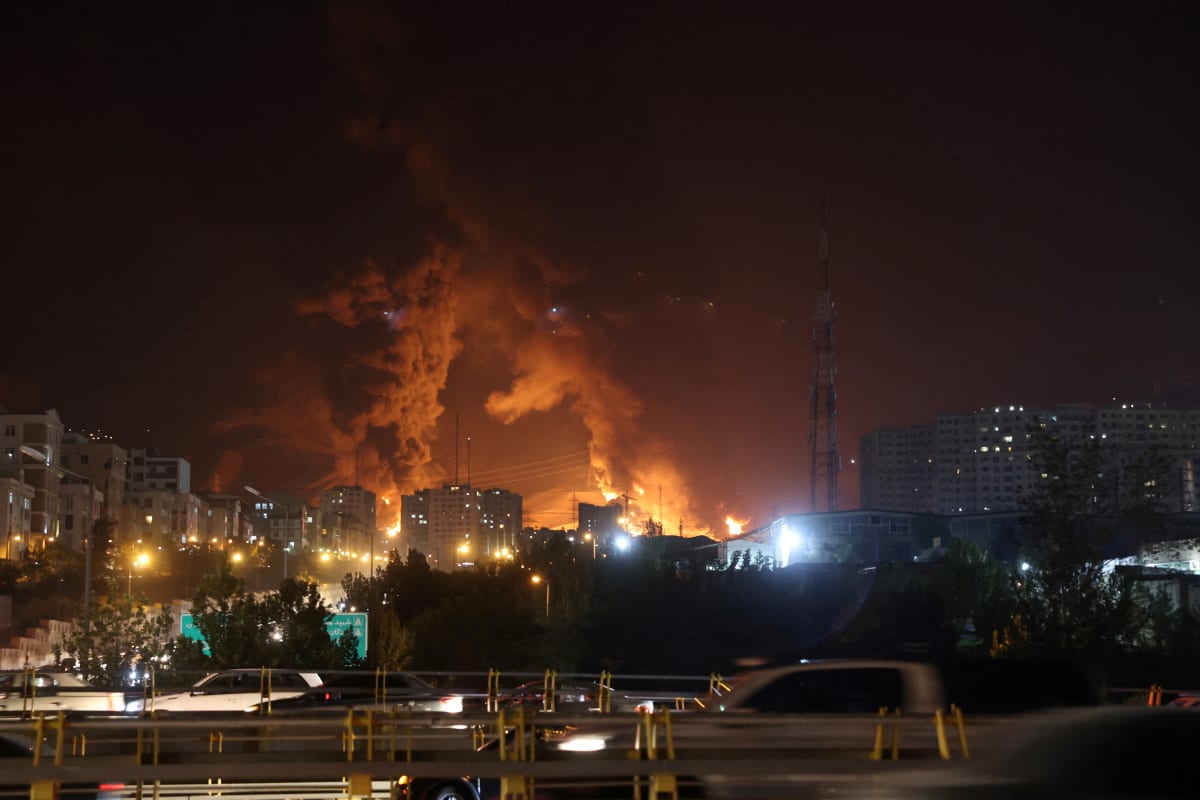
ភាពតានតឹងរវាងប្រទេសអ៊ីស្រាអែល និងអ៊ីរ៉ង់បានកើនឡើងយ៉ាងខ្លាំង បន្ទាប់ពីសង្គ្រាមរវាងអ៊ីស្រាអែល និងក្រុមហាម៉ាស (Hamas) បានចាប់ផ្តើមនៅក្នុងខែតុលា ឆ្នាំ២០២៣។ ក្រុមប្រដាប់អាវុធដែលគាំទ្រដោយអ៊ីរ៉ង់ បានបើកការវាយប្រហាររាប់រយលើកលើគោលដៅរបស់សហរដ្ឋអាមេរិក និងអ៊ីស្រាអែល នៅទូទាំងប្រទេសអ៊ីរ៉ាក់ ស៊ីរី លីបង់ និងសមុទ្រក្រហម។ ជាការឆ្លើយតប សហរដ្ឋអាមេរិកបានបើកការវាយប្រហារតាមអាកាសលើមូលដ្ឋាននានាដែលពាក់ព័ន្ធនឹងអ៊ីរ៉ង់ ខណៈដែលមានការព្រួយបារម្ភថា ជម្លោះនេះអាចរីករាលដាលពេញតំបន់។
នៅក្នុងឆ្នាំ២០២៤ "សង្គ្រាមស្រមោល" ដែលបានអូសបន្លាយជាយូរមកហើយនោះ បានប្រែទៅជាការប្រឈមមុខដាក់គ្នាដោយផ្ទាល់៖
- ការវាយប្រហារនៅដាម៉ាស៖ ការវាយប្រហារតាមអាកាសមួយ (ដែលគេសង្ស័យថាជាស្នាដៃអ៊ីស្រាអែល) លើអគារកុងស៊ុលអ៊ីរ៉ង់ក្នុងទីក្រុងដាម៉ាស បានសម្លាប់មន្ត្រីយោធាជាន់ខ្ពស់របស់អ៊ីរ៉ង់។
- ការសងសឹករបស់អ៊ីរ៉ង់៖ ដើម្បីឆ្លើយតប អ៊ីរ៉ង់បានបាញ់បង្ហោះដ្រូន និងមីស៊ីលជាង ៣០០ គ្រាប់ទៅកាន់អ៊ីស្រាអែល។
- ការកើនឡើងកម្តៅ៖ បន្ទាប់ពីអ៊ីស្រាអែលបានសម្លាប់មេដឹកនាំកំពូលៗរបស់ក្រុមហាម៉ាស និងហេសបូឡា (Hezbollah) អ៊ីរ៉ង់បានបាញ់មីស៊ីលបាលីស្ទីកជាច្រើនគ្រាប់បន្ថែមទៀត។ អ៊ីស្រាអែលបានតបតវិញតាមរយៈការវាយប្រហារដ៏ធំបំផុតមិនធ្លាប់មានលើប្រព័ន្ធការពារអាកាស និងទីតាំងមីស៊ីលរបស់អ៊ីរ៉ង់ ដែលបង្កការខូចខាតយ៉ាងធ្ងន់ធ្ងរដល់សម្ព័ន្ធមិត្តក្នុងតំបន់របស់អ៊ីរ៉ង់។
ក្រោយពេលត្រលប់មកកាន់តំណែងវិញក្នុងឆ្នាំ២០២៥ ប្រធានាធិបតីអាមេរិក ដូណាល់ ត្រាំ (Donald Trump) បានបង្កើនសម្ពាធជាថ្មីលើអ៊ីរ៉ង់ ប៉ុន្តែក្នុងពេលជាមួយគ្នាក៏បានបើកកិច្ចពិភាក្សានុយក្លេអ៊ែរឡើងវិញ ទោះបីជាមានការជំទាស់យ៉ាងខ្លាំងពីអ៊ីស្រាអែលក៏ដោយ។
នៅខែមិថុនា ឆ្នាំ២០២៥ ទីភ្នាក់ងារឃ្លាំមើលនុយក្លេអ៊ែររបស់អង្គការសហប្រជាជាតិបានបញ្ជាក់ថា អ៊ីរ៉ង់បានរំលោភលើច្បាប់មិនរីកសាយភាយអាវុធនុយក្លេអ៊ែរ បន្ទាប់មកអ៊ីរ៉ង់បានប្រកាសពីផែនការបង្កើតទីតាំងចម្រាញ់សារធាតុនុយក្លេអ៊ែរជាសម្ងាត់។
ការវាយប្រហារលើទីតាំងនុយក្លេអ៊ែរ និងបទឈប់បាញ់ជាការឆ្លើយតបនឹងការគំរាមកំហែងនេះ៖
- អ៊ីស្រាអែល បានបើកការវាយប្រហារដោយផ្ទាល់លើរោងចក្រនុយក្លេអ៊ែរ រោងចក្រផលិតមីស៊ីល និងមន្ត្រីជាន់ខ្ពស់របស់អ៊ីរ៉ង់។
- សហរដ្ឋអាមេរិក បានចូលរួមក្នុងជម្លោះនេះ ដោយបានវាយប្រហារលើទីតាំងនុយក្លេអ៊ែរសំខាន់ៗចំនួន ៣ របស់អ៊ីរ៉ង់។
- អ៊ីរ៉ង់ បានតបតវិញតាមរយៈការវាយប្រហារលើកងកម្លាំងអាមេរិកក្នុងប្រទេសកាតា ប៉ុន្តែមិនបណ្តាលឱ្យមានអ្នកស្លាប់ និងរបួសឡើយ។
Israel–Iran Conflict Escalates From Proxy War to Direct Strikes
Tensions between Israel and Iran sharply intensified after the Israel–Hamas war began in October 2023. Iran-backed groups launched hundreds of attacks on U.S. and Israeli targets across Iraq, Syria, Lebanon, and the Red Sea. The United States responded with air strikes on Iran-linked facilities, while fears grew that the conflict could spread across the region.
In 2024, the long-running shadow war turned direct. A suspected Israeli strike on an Iranian consular building in Damascus killed senior Iranian military officials, prompting Iran to fire more than 300 drones and missiles at Israel. Later that year, Iran launched ballistic missiles after Israel killed top Hamas and Hezbollah leaders. Israel answered with its largest-ever attack on Iranian air defenses and missile sites, dealing major blows to Iran’s regional allies.
After returning to office in 2025, U.S. President Donald Trump renewed pressure on Iran while reopening nuclear talks, despite Israel’s strong opposition. Israel warned that Iran’s nuclear ambitions posed an existential threat. In June, the UN nuclear watchdog said Iran was violating non-proliferation rules, after which Iran announced plans for a secret enrichment site.
Israel then carried out direct strikes on Iranian nuclear facilities, missile factories, and senior officials. Iran responded with missile and drone attacks, calling the strikes an act of war. The United States later joined the conflict, hitting three major Iranian nuclear sites. Iran retaliated against U.S. forces in Qatar, causing no casualties. A U.S.-brokered ceasefire was announced on June 23 and has largely held despite accusations of minor violations.

 1973.129 SRY