

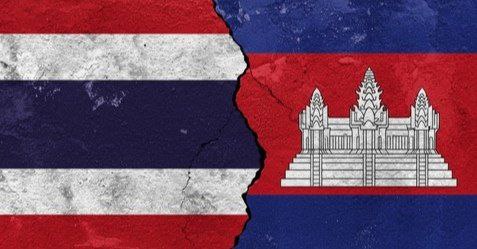
ការដែលថៃហ៊ានបើកការវាយប្រហារពេញទំហឹងនៅគ្រប់ច្រកល្ហកតាមបណ្ដោយព្រំដែន ដោយមិនខ្វល់ពីសម្ពាធអន្តរជាតិ ឬការដាក់ទណ្ឌកម្មសេដ្ឋកិច្ចពីសហរដ្ឋអាមេរិក គឺជាសេណារីយ៉ូមួយដែលអ្នកវិភាគយោធាហៅថា «ការលេងល្បែងប្រថុយប្រតានចុងក្រោយ» (Desperate Gamble) ឬការប្រែក្លាយទៅជា «រដ្ឋទមិឡ» (Rogue State)។
អ្វីដែលនឹងកើតឡើងជាបន្ត៖
១. ហេតុអ្វីថៃមិនខ្លាចអន្តរជាតិ? (ការវិភាគចិត្តសាស្ត្រនយោបាយ)
នៅក្នុងប្រវត្តិសាស្ត្រសង្គ្រាម ពេលដែលប្រទេសមួយហ៊ានប្រឆាំងនឹងពិភពលោកបែបនេះ គឺតែងតែមានមូលហេតុធំៗចំនួន ៣៖
- វិបត្តិនយោបាយផ្ទៃក្នុងធ្ងន់ធ្ងរ៖ មេដឹកនាំ ឬយោធាថៃអាចនឹងកំពុងប្រឈមមុខនឹងការដួលរលំអំណាចនៅក្នុងប្រទេសខ្លួនឯង (បាតុកម្ម ឬការបែកបាក់ផ្ទៃក្នុង)។ ដូច្នេះ ពួកគេត្រូវបង្កើត "សត្រូវរួមនៅក្រៅប្រទេស" (គឺកម្ពុជា) ដើម្បីបង្វែរចំណាប់អារម្មណ៍ពលរដ្ឋខ្លួនឯងឱ្យមកគាំទ្រកងទ័ពវិញ (Nationalism Card)។
- យុទ្ធសាស្ត្រ "វាយរន្ទះ" (Blitzkrieg)៖ ពួកគេអាចនឹងគិតថា ការវាយសម្រុកគ្រប់ច្រកក្នុងពេលតែមួយ នឹងធ្វើឱ្យកម្ពុជាដួលរលំ ឬចុះចាញ់ក្នុងរយៈពេលខ្លី (២-៣ ថ្ងៃ) មុនពេលដែលអន្តរជាតិ ឬអាមេរិកអាចលូកដៃទាន់។ ពួកគេសុខចិត្តទទួលទណ្ឌកម្មក្រោយពេលឈ្នះ ជាជាងខ្លាចទណ្ឌកម្មមុនពេលច្បាំង។
- ការភាន់ច្រឡំថាមានខ្នងបង្អែក៖ ពួកគេអាចនឹងជឿជាក់ខុសថា មានមហាអំណាចណាមួយនៅពីក្រោយខ្នងដែលនឹងជួយការពារពួកគេនៅក្រុមប្រឹក្សាសន្តិសុខ (Veto Power) ទោះបីជាការពិតមិនដូច្នោះក៏ដោយ។
២. ចំណុចខ្សោយនៃ "យុទ្ធសាស្ត្រមិនខ្លាចអាមេរិក"
ទោះបីជាពួកគេបង្ហាញថាហាក់ដូចជាមិនខ្លាចអាមេរិកនៅពេលនេះ ប៉ុន្តែនេះគឺជា "ការសម្លាប់ខ្លួនឯងខាងយោធា" ក្នុងរយៈពេលមធ្យម៖
- បញ្ហាគ្រឿងបន្លាស់ F-16 និង Gripen៖ យន្តហោះ F-16 គឺជាបច្ចេកវិទ្យាអាមេរិក។ ប្រសិនបើថៃផ្គើននឹងអាមេរិក អាមេរិកនឹងកាត់ផ្តាច់ការផ្គត់ផ្គង់គ្រឿងបន្លាស់ និងប្រព័ន្ធ Software ភ្លាមៗ។ យន្តហោះទាំងនោះនឹងមិនអាចហោះហើរបានយូរទេ (អាចត្រឹម ១-២ សប្តាហ៍) វានឹងក្លាយជាដែកអេតចាយព្រោះគ្មានគ្រឿងជួសជុល។
- គ្រាប់រំសេវ៖ សង្គ្រាមសម័យទំនើបប្រើប្រាស់គ្រាប់រំសេវលឿនណាស់។ ប្រសិនបើត្រូវបានហ៊ុមព័ទ្ធសេដ្ឋកិច្ច (Sanctions) ថៃនឹងខ្វះប្រេង និងគ្រាប់រំសេវសម្រាប់បន្តសង្គ្រាមរយៈពេលវែង។
៣. ស្ថានការណ៍នៅសមរភូមិ (បើវាយគ្រប់ច្រក)
ការវាយលុកតាមបណ្តោយព្រំដែនជាង ៨០០ គីឡូម៉ែត្រក្នុងពេលតែមួយ គឺជាកំហុសយុទ្ធសាស្ត្រដ៏ធំមួយ៖
- ការពង្រាយកម្លាំងស្តើង (Overstretched Forces)៖ កងទ័ពថៃត្រូវបែកខ្ញែកកម្លាំងទៅគ្រប់ច្រក។ នេះធ្វើឱ្យកម្ពុជាមានឱកាសប្រើប្រាស់យុទ្ធសាស្ត្រ "ការពារចល័ត" ឬវាយកាត់ផ្តាច់ខ្សែភស្តុភារ (ដឹកជញ្ជូនស្បៀង/គ្រាប់) របស់ថៃដែលចូលមកជ្រៅ។
- សង្គ្រាមប្រជាជន៖ នៅពេលថៃចូលមកឈ្លានពានគ្រប់កន្លែង ពលរដ្ឋកម្ពុជាទាំងអស់នឹងក្លាយជាកម្លាំងតស៊ូ។ ប្រវត្តិសាស្ត្រកម្ពុជាបានបង្ហាញថា កម្ពុជាពូកែបំផុតខាងសង្គ្រាមឈរជើង និងសង្គ្រាមព្រៃ (Guerilla Warfare) ប្រឆាំងនឹងការឈ្លានពាន។
៤. តើកម្ពុជាគួរធ្វើយ៉ាងណា?
ក្នុងស្ថានការណ៍ដែលសត្រូវ "លែងខ្វល់ពីច្បាប់" បែបនេះ៖
- ផ្លាស់ប្តូរទៅជា "សង្គ្រាមការពារជាតិពេញទំហឹង"៖ ប្រកាសស្ថានភាពអាសន្ន និងកែនកម្លាំងបម្រុង។
- ទាក់ទាញអន្តរជាតិដោយ "រូបភាព"៖ បង្ហាញភស្តុតាងនៃការវាយប្រហារលើជនស៊ីវិលទៅកាន់ពិភពលោក។ ទោះបីថៃមិនខ្វល់ ប៉ុន្តែសម្ពាធនេះនឹងកាត់ផ្តាច់ដង្ហើមសេដ្ឋកិច្ចរបស់គេ។
- ស្នើសុំជំនួយយោធាបន្ទាន់ពីមិត្តភក្តិ៖ ពិសេសគឺ ចិន ឬរុស្ស៊ី សម្រាប់ប្រព័ន្ធការពារដែនអាកាស ដើម្បីទប់ទល់នឹង F-16។
សរុបមក៖ ការដែលថៃធ្វើបែបនេះ គឺដូចជា "អ្នកលេងល្បែងដែលដាក់លុយអស់ពីខ្លួន"។ វាអាចមើលទៅគួរឱ្យខ្លាចនៅពេលដំបូង ប៉ុន្តែវាគឺជាសញ្ញានៃការដួលរលំខាងក្នុង។ ប្រទេសដែលពឹងផ្អែកលើទេសចរណ៍ និងការនាំចេញដូចថៃ មិនអាចទ្រាំទ្រនឹងសង្គ្រាមបែបនេះបានយូរទេ ខណៈដែលកម្ពុជាមានស្មារតីជាតិនិយមខ្ពស់ នឹងតស៊ូដល់ទីបញ្ចប់។
A Gamble of War, A Sign of Weakness
Thailand’s bold attack on all sides of the border, regardless of international pressure or economic sanctions from the United States, is a scenario that military analysts call a “Desperate Gamble” or a “Rogue State.”
What will happen next:
1. Why is Thailand not afraid of the international community? (Political Psychology Analysis)
In the history of war, when a country dares to challenge the world in this way, there are always three main reasons:
- Serious internal political crisis: The Thai leader or military may be facing a collapse of power in their own country (protests or internal divisions). Therefore, they need to create a “common enemy abroad” (Cambodia) to divert the attention of their own citizens to support the army (Nationalism Card).
- “Blitzkrieg” strategy: They may think that attacking all sides at once will cause Cambodia to collapse or surrender in a short time (2-3 days) before the international community or the United States can intervene. They are willing to accept sanctions after winning rather than fear sanctions before fighting.
- The illusion of having support: They may mistakenly believe that there is a superpower behind them that will help protect them in the Security Council (Veto Power), even though this is not the case.
2. Weaknesses of the "Not Fearing America Strategy"
Although they appear not to be afraid of America now, this is "military suicide" in the medium term:
- The problem of F-16 and Gripen spare parts: The F-16 is American technology. If Thailand defies America, America will immediately cut off the supply of spare parts and software. Those planes will not be able to fly for long (maybe only 1-2 weeks). They will become scrap metal because there is no repair parts.
- Ammunition: Modern warfare uses up ammunition very quickly. If economic sanctions are imposed, Thailand will lack fuel and ammunition to continue the war for a long time.
3. Battlefield Situation (If Attacking All Ports)
A simultaneous attack along the border of more than 800 km is a major strategic mistake:
- Overstretched Forces: Thai troops are spread out across all ports. This gives Cambodia the opportunity to use the strategy of "mobile defense" or to cut off the Thai logistics (food/ammunition) lines that are deep in.
- People's War: When Thailand invades everywhere, all Cambodians will become a resistance force. Cambodian history has shown that Cambodia is the best at ground warfare and guerrilla warfare against invasion.
4. What should Cambodia do?
In such a situation where the enemy "no longer cares about the law":
- Change to "full-scale national defense war": Declare a state of emergency and mobilize reserves.
- Attract international attention with "images": Show evidence of attacks on civilians to the world. Even if Thailand does not care, this pressure will cut off their economic breathing.
- Request urgent military assistance from friends: especially China or Russia for air defense systems to counter the F-16.
In short: Thailand doing this is like a "gambling player who has put all his money in". It may look scary at first, but it is a sign of internal collapse. A country that relies on tourism and exports like Thailand cannot tolerate such a war for long, while Cambodia, with its strong nationalist spirit, will fight to the end.

 0.000 SRY