
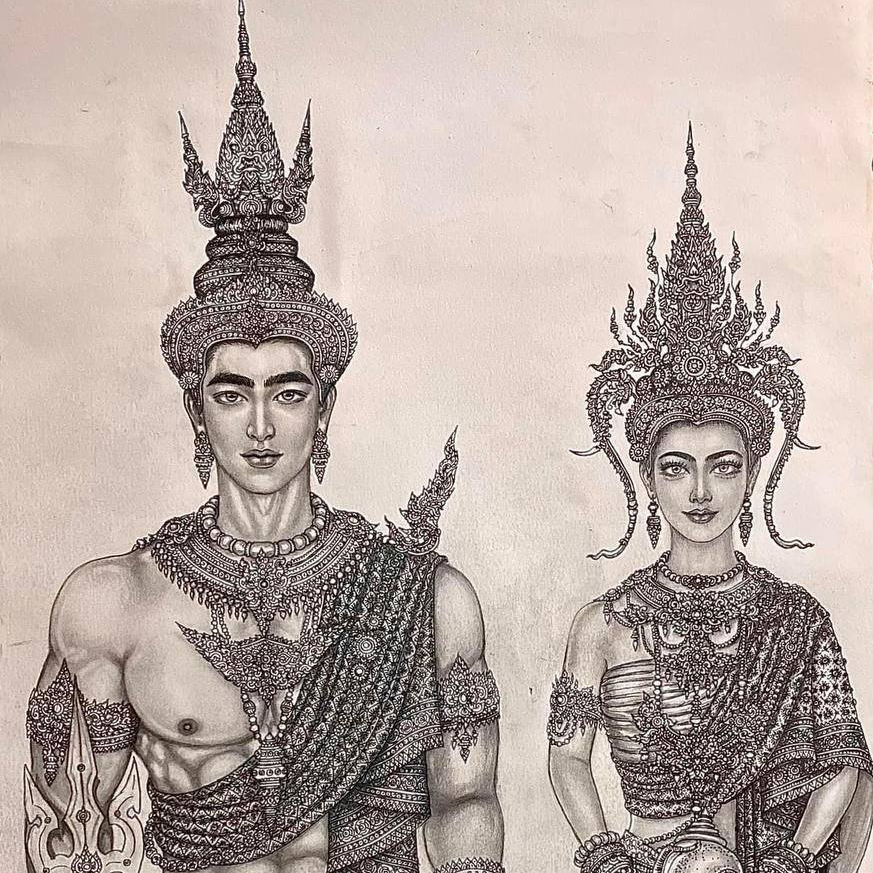
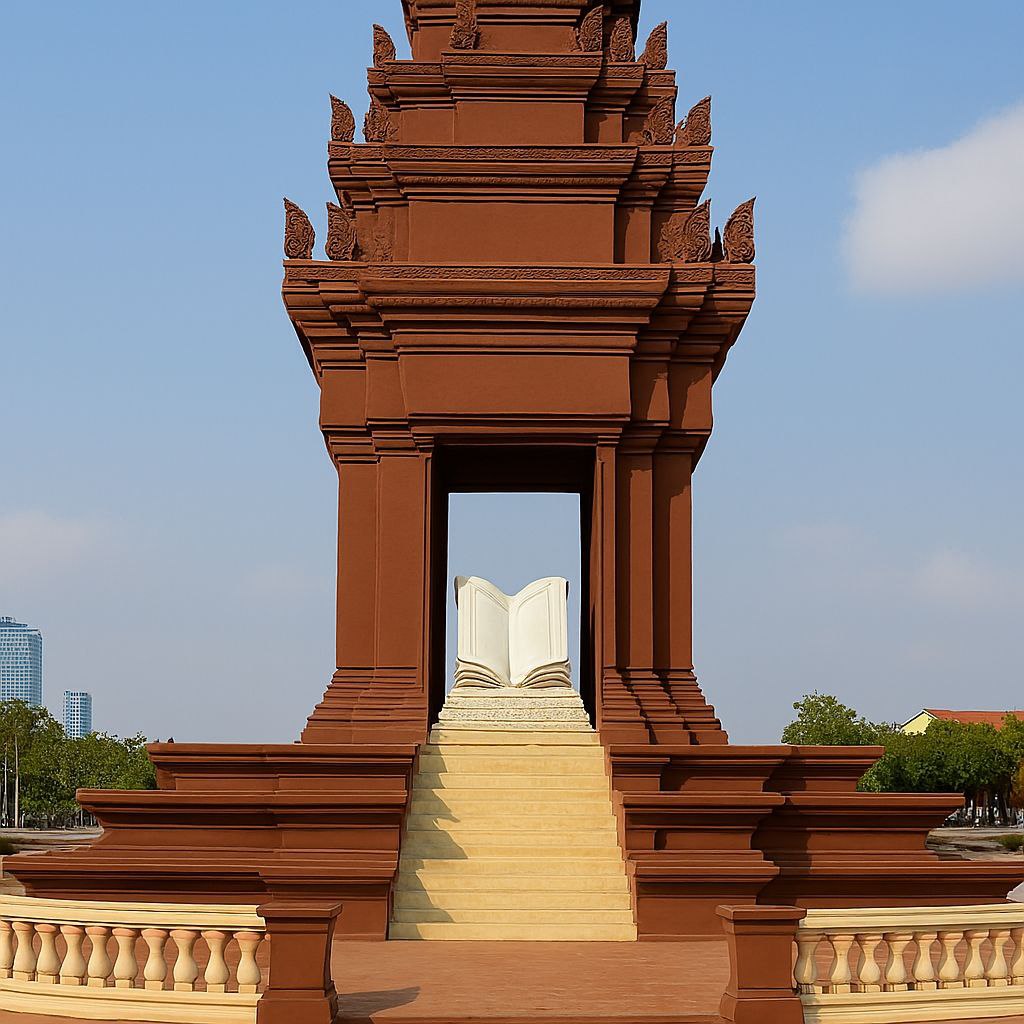
ប្រទេសកម្ពុជាបានប្រកាន់យកទស្សនវិជ្ជាពុទ្ធសាសនាតាំងពីសតវត្សទី៥មកម្ល៉េះ ដោយព្រះបាទជ័យវរ្ម័នទី៧ បានក្លាយជាសាសនារបស់រដ្ឋជាផ្លូវការនៅសតវត្សទី១៣។ ព្រះពុទ្ធសាសនាបានបញ្ចូលយ៉ាងស៊ីជម្រៅទៅក្នុងអត្តសញ្ញាណ អភិបាលកិច្ច និងវប្បធម៌របស់ខ្មែរ ដែលមានឥទ្ធិពលលើភាពជាស្តេចតាមរយៈព្រះរាជគុណ១០យ៉ាង។ ទោះបីជាមានការរំខានក្នុងសម័យខ្មែរក្រហមក៏ដោយ ក៏ព្រះពុទ្ធសាសនានៅតែជាចំណុចកណ្តាលនៃសង្គមកម្ពុជា។
រដ្ឋធម្មនុញ្ញឆ្នាំ 1993 បានអះអាងជាថ្មីថាព្រះពុទ្ធសាសនាជាសាសនារបស់រដ្ឋ និងបានស្ដារឡើងវិញនូវរបបរាជានិយម ដោយមានមាត្រា 4, 42 និង 68 បានកំណត់តួនាទីរបស់ខ្លួន។ ព្រះសង្ឃដើរតួនាទីយ៉ាងសំខាន់ក្នុងការគ្រប់គ្រង រួមទាំងការជ្រើសរើសព្រះមហាក្សត្រ និងការលើកកម្ពស់ការអប់រំព្រះពុទ្ធសាសនា ដោយឆ្លុះបញ្ចាំងពីគំរូនៃលទ្ធិធម្មនុញ្ញព្រះពុទ្ធសាសនាដ៏យូរអង្វែងរបស់កម្ពុជា។
Buddhism in Cambodia’s Constitution
Cambodia has embraced Buddhist philosophy since the 5th century, with King Jayavarman VII officially making it the state religion in the 13th century. Buddhism became deeply woven into Khmer identity, governance, and culture, influencing kingship through the ten royal virtues. Despite disruption during the Khmer Rouge era, Buddhism remained central to Cambodian society.
The 1993 constitution reaffirmed Buddhism as the state religion and restored the monarchy, with articles like 4, 42, and 68 codifying its role. The Sangha plays a key part in governance, including selecting the King and promoting Buddhist education, reflecting Cambodia’s enduring model of Buddhist constitutionalism.

 0.000 SRY