
កម្ពុជាបានសម្រេចអត្រាគ្របដណ្តប់អនាម័យកម្រិតមូលដ្ឋាន ៩៥ ភាគរយ នៅទូទាំងប្រទេស ហើយរាជធានី-ខេត្តទាំង ២៥ លែងមានការបន្ទោបង់ពាសវាលពាសកាលទៀតហើយ។ រដ្ឋាភិបាលចង់ឱ្យប្រជាជនគ្រប់រូបទទួលបានទឹកស្អាត និងអនាម័យ នៅឆ្នាំ២០៣០។
សម្ដេចធិបតី ហ៊ុន ម៉ាណែត នាយករដ្ឋមន្ត្រី បានលើកឡើងរឿងនេះក្នុងសារលិខិត ក្នុងឱកាសទិវាជាតិលើកកម្ពស់អនាម័យជនបទលើកទី១៧ នៅថ្ងៃទី១៣ ខែវិច្ឆិកា។ ភ្នំពេញ កណ្តាល និងព្រៃវែង បានឈានដល់កម្រិតខ្ពស់ជាងនេះទៀត ដែលហៅថា ODF+។ គោលដៅ ១០០ ភាគរយ ស្របតាមគោលដៅអភិវឌ្ឍន៍ប្រកបដោយចីរភាពរបស់អង្គការសហប្រជាជាតិ។
យោងតាមរដ្ឋាភិបាល អនាម័យល្អជួយកាត់បន្ថយជំងឺដូចជា រាគរូស អាសន្នរោគ និងជំងឺពោះវៀន។ វាក៏ជួយកុមារអាយុក្រោម ៥ ឆ្នាំ ឱ្យលូតលាស់បានល្អ និងកាត់បន្ថយចំណាយលើការព្យាបាល។ ក្រសួងអភិវឌ្ឍន៍ជនបទ បាននិយាយថា ការផ្គត់ផ្គង់ទឹកស្អាតកម្រិតមូលដ្ឋានឥឡូវដល់ ៨៩ ភាគរយ ប៉ុន្តែទឹកដែលគ្រប់គ្រងប្រកបដោយសុវត្ថិភាពមានត្រឹម ២៥ ភាគរយ។
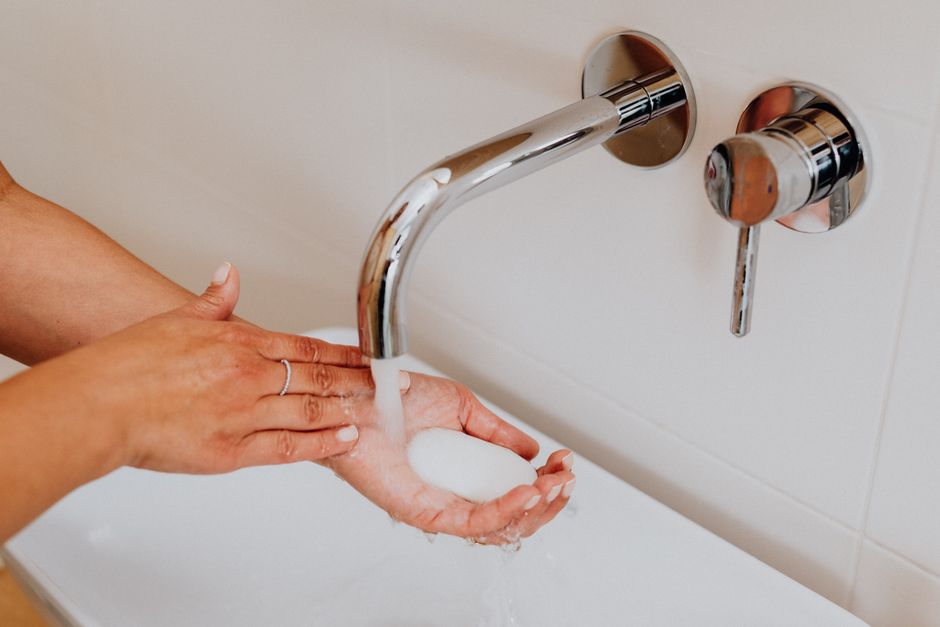
បញ្ហានៅតែមាន ជាពិសេសសម្រាប់គ្រួសារក្រីក្រ និងគ្រួសារងាយរងគ្រោះនៅជនបទ។ ទឹកជំនន់ និងគ្រោះរាំងស្ងួត អាចធ្វើឱ្យខូចបង្គន់ និងប្រភពទឹក។ យូនីសេហ្វ ព្រមានថា សហគមន៍ខ្លះនៅតែប្រើទឹកទន្លេ អណ្តូង ឬស្រះ ដែលអាចកខ្វក់។ រដ្ឋាភិបាលស្នើឱ្យឃុំ-សង្កាត់ ធានាថា សាលារៀន មណ្ឌលសុខភាព និងវត្តអារាម មានបង្គន់ និងកន្លែងលាងដៃគ្រប់គ្រាន់។
Cambodia has reached 95 percent basic sanitation coverage nationwide, and all 25 provinces and the capital are now free of open defecation. The government wants everyone to have clean water and sanitation by 2030.
Prime Minister Hun Manet set out the figures in a message for the 17th National Rural Sanitation Day on 13 November. Phnom Penh, Kandal and Prey Veng have reached a higher level, known as ODF+. The 100 percent target is in line with the United Nations Sustainable Development Goals.
According to the government, better sanitation cuts diseases such as diarrhoea, cholera and intestinal infections. It also helps children under five grow properly and lowers spending on medical care. The Ministry of Rural Development says basic clean water supply now reaches 89 percent of people, but only 25 percent have safely managed water.
Problems remain, especially for poor and vulnerable families in the countryside. Floods and droughts can damage toilets and water sources. UNICEF warns that some communities still rely on rivers, wells or ponds that can be polluted. The government is asking communes to make sure schools, health centres and pagodas have enough toilets and handwashing facilities.

 1,115.09 SRY