
កម្ពុជាត្រូវការ ១៥០លានដុល្លារ ដើម្បីគ្មានមីននៅឆ្នាំ២០៣០
ថ្ងៃទី 10 ខែធ្នូ ឆ្នាំ 2025
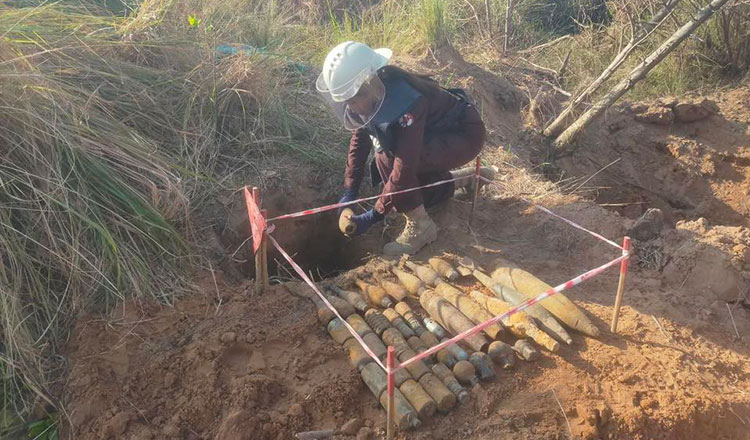
អ្នកជំនាញ CMAC ធ្វើការបោសសម្អាតដីដែលមានមីន។ ស៊ីម៉ាក់
សេចក្តីសង្ខេប៖ ទេសរដ្ឋមន្ត្រី លី ធុច មានប្រសាសន៍ថា ថវិកាគឺត្រូវការជាចាំបាច់ ដើម្បីបំពាក់ដល់ប្រតិបត្តិករ និងពន្លឿនការបោសសម្អាតនៅតំបន់ដែលលំបាកបំផុតរបស់ប្រទេស។
កម្ពុជាត្រូវការប្រាក់យ៉ាងតិច ១៥០ លានដុល្លារ ដើម្បីបញ្ចប់ប្រតិបត្តិការដោះមីនមនុស្សធម៌ និងសម្រេចគោលដៅក្លាយជាមនុស្សគ្មានមីននៅឆ្នាំ ២០៣០ នេះបើតាមទេសរដ្ឋមន្ត្រី លី ធុច អនុប្រធានទី១ អាជ្ញាធរមីនកម្ពុជា (CMAA) បានប្រាប់ខ្មែរថាមស៍កាលពីថ្ងៃអាទិត្យ។
លោក ធុច បាននិយាយថា មូលនិធិនេះនឹងត្រូវប្រើប្រាស់ដើម្បីបំពាក់ដល់ប្រតិបត្តិករ និងពន្លឿនការបោសសម្អាតនៅតំបន់ដែលពិបាកបំផុតរបស់ប្រទេស។ មូលនិធិនេះគឺសម្រាប់បោសសម្អាតដីដែលមានមីន ដែលគេស្គាល់ច្រើនជាង 500 គីឡូម៉ែត្រការ៉េ ដែលត្រូវការសម្អាត។
ចាប់តាំងពីខែវិច្ឆិកា ឆ្នាំ 2024 មក CMAA បាននឹងកំពុងធ្វើការស្ទង់មតិបច្ចេកទេសថ្មីមួយនៅទូទាំងខេត្តចំនួន 7 តាមបណ្តោយព្រំដែនថៃ ដើម្បីកំណត់តំបន់ដែលរងផលប៉ះពាល់ដោយសារមីនដែលនៅសល់ ដែលពីមុនមិនអាចចូលទៅដល់បាន។
លោក ធុច មានប្រសាសន៍ថា ៖ «បញ្ហាដែលនៅសេសសល់ពាក់ព័ន្ធនឹងការបំពុលមីនប្រឆាំងមនុស្សលើផ្ទៃដីជាង ៥០០ គីឡូម៉ែត្រការ៉េ ហើយតួលេខនេះសំដៅលើគ្រាប់មីនតែប៉ុណ្ណោះ»។
រ៉ែដែលនៅសេសសល់ជាច្រើន ស្ថិតនៅក្នុងតំបន់ភ្នំ ព្រៃឈើ និងតំបន់ថ្ម ដែលធ្វើឱ្យការបោសសំអាតមានភាពយឺតយ៉ាវ និងទាមទារតាមបច្ចេកទេស។
លោកបានមានប្រសាសន៍ថា “បញ្ហាប្រឈមសម្រាប់អ្នកដោះមីនរបស់យើងគឺប្រសិទ្ធភាព។ វឌ្ឍនភាពមានភាពយឺតយ៉ាវ ដោយសារដីមានការលំបាកខ្លាំង។ "យើងត្រូវការជាង 100 លានដុល្លារដើម្បីបញ្ចប់ការងារ ហើយឥឡូវនេះយើងមានផែនការច្បាស់លាស់ជាងមុនសម្រាប់ការឈូសឆាយតំបន់ទាំងនេះ"
ទោះបីជាមានឧបសគ្គទាំងនេះក៏ដោយ ក៏លោក ធុច មានប្រសាសន៍ថា ការប្តេជ្ញាចិត្តរបស់កម្ពុជាក្នុងការលុបបំបាត់មីន បានទទួលការទទួលស្គាល់ពីអន្តរជាតិ។
ក្នុងអំឡុងពេលកិច្ចប្រជុំរដ្ឋភាគីនៃអនុសញ្ញាហាមប្រាមមីនប្រឆាំងមនុស្ស (អនុសញ្ញាអូតាវ៉ា) រដ្ឋភាគីលើកទី ២២ បានអនុម័តសំណើរបស់កម្ពុជាសម្រាប់ការពន្យារពេលលើកទី 3 ដោយផ្តល់ឱ្យព្រះរាជាណាចក្ររហូតដល់ឆ្នាំ 2030 ដើម្បីបំពេញកាតព្វកិច្ចមាត្រា 5 របស់ខ្លួន។
លោក ធុច បានមានប្រសាសន៍ថា ការអនុម័តនេះបង្ហាញពីទំនុកចិត្តលើផែនការជាតិរបស់កម្ពុជា និងការប្តេជ្ញាចិត្តយូរអង្វែងរបស់រដ្ឋាភិបាលក្នុងការបោសសម្អាតមីន ដែលជារឿយៗត្រូវបានចាត់ទុកជាគំរូសម្រាប់ប្រទេសដែលរងផលប៉ះពាល់ផ្សេងទៀត។
កម្ពុជាដាក់ពង្រាយអ្នកដោះមីនដែលទទួលបានការបណ្តុះបណ្តាលនិងមានបទពិសោធប្រហែល 5,000 នាក់ ដែលលោក ធុច បានពណ៌នាថាជា “ឆ្អឹងខ្នង” នៃវិស័យនេះ។
“យើងមានការប្តេជ្ញាចិត្តជាមួយនឹងការគាំទ្រពីប្រទេសជាមិត្ត ថាមពល និងការប្តេជ្ញាចិត្ត យើងជឿជាក់ថាយើងអាចឈានដល់គោលដៅឆ្នាំ 2030 របស់យើង។
ប្រទេសកម្ពុជានៅតែជាប្រទេសមួយក្នុងចំនោមប្រទេសដែលរងផលប៉ះពាល់ដោយសារមីនខ្លាំងជាងគេលើពិភពលោក ដោយមានគ្រាប់មីន និង UXO ប្រមាណពី 4 ទៅ 6 លានគ្រាប់បានបន្សល់ទុកពីជម្លោះជាច្រើនទសវត្សរ៍ដែលបានបញ្ចប់ក្នុងឆ្នាំ 1998 ។
លោកបានបន្តថា៖ «គ្រាប់មីនអាចនឹងត្រូវបានដាំកាលពីអតីតកាល ប៉ុន្តែផលវិបាករបស់វានៅតែបន្តក្នុងពេលបច្ចុប្បន្ននេះ»។ “នៅតែមានសហគមន៍ដែលការភ័យខ្លាច និងគ្រោះថ្នាក់នៅតែបន្តជាកន្លែងដែលកសិករស្ទាក់ស្ទើរក្នុងការភ្ជួរដីរបស់ពួកគេ និងកន្លែងដែលឪពុកម្តាយព្រួយបារម្ភអំពីកូនរបស់ពួកគេដើរទៅសាលារៀន”។
លោកបានអំពាវនាវដល់ប្រទេសជាមិត្ត ដៃគូអភិវឌ្ឍន៍ ប្រតិបត្តិករសកម្មភាពមីន និងអ្នកពាក់ព័ន្ធ បន្តគាំទ្រដល់កិច្ចខិតខំប្រឹងប្រែងរបស់កម្ពុជា ក្នុងការបោសសម្អាតគ្រឿងផ្ទុះក្នុងសម័យសង្គ្រាម។
ចាប់តាំងពីឆ្នាំ 1992 មក ប្រទេសកម្ពុជាបានបោសសម្អាតដីកខ្វក់ជាង 3,300 គីឡូម៉ែត្រក្រឡា។ ចំនួនអ្នកស្លាប់ និងរបួសប្រចាំឆ្នាំបានធ្លាក់ចុះយ៉ាងខ្លាំង—ពីជាង 4,000 នាក់ក្នុងទសវត្សរ៍ឆ្នាំ 1990 មកតិចជាង 100 នាក់សព្វថ្ងៃនេះ។
ខេត្តចំនួន 15 ដែលត្រូវបានប្រកាសថាគ្មានមីន រួមមាន ស្ទឹងត្រែង កែប ព្រៃវែង រាជធានីភ្នំពេញ ព្រះសីហនុ កណ្តាល ស្វាយរៀង តាកែវ កំពត កំពង់ឆ្នាំង កំពង់ចាម ត្បូងឃ្មុំ កំពង់ស្ពឺ មណ្ឌលគិរី និងក្រចេះ។
Cambodia needs $150 mil to be mine-free by 2030
Synopsis: Senior Minister Ly Thuch says funds are needed to equip operators and accelerate clearance in some of the country’s most difficult terrain.
Cambodia requires at least $150 million to complete humanitarian demining operations and reach its goal of becoming mine-free by 2030, Senior Minister Ly Thuch, First Vice-President of the Cambodian Mine Action and Victim Assistance Authority (CMAA), told Khmer Times on Sunday.
Thuch said the funds would be used to equip operators and accelerate clearance in some of the country’s most difficult terrain. This funding is for clearing more than 500 square kilometres of known landmine contaminated land that needs to be cleared.
Since November 2024, CMAA has been conducting a new technical survey across seven provinces along the Thai border to identify the remaining mine-affected areas that were previously inaccessible.
“The remaining problem involves over 500 square kilometres of anti-personnel mine contamination, and this figure refers only to landmines,” Thuch said.
Many of the remaining rmines are in mountainous, forested, and rocky border regions, making clearance slower and technically demanding.
“The challenge for our deminers is efficiency. Progress is slow because the terrain is extremely difficult,” he said. “We need more than $100 million to complete the job and we now have a clearer plan for clearing these areas,”
Despite these hurdles, Thuch said that Cambodia’s commitment to eliminating landmines has received international recognition.
During the 22nd Meeting of States Parties to the Anti-Personnel Mine Ban Convention (Ottawa Convention), States Parties approved Cambodia’s request for a third extension, giving the Kingdom until 2030 to meet its Article 5 obligations.
Thuch said the approval shows confidence in Cambodia’s national plan and the government’s long-standing commitment to clearing landmines, often held up as a model for other affected countries.
Cambodia deploys around 5,000 trained and experienced deminers, whom Thuch described as the “backbone” of the sector.
“We have the commitment with support from friendly countries, energy, and determination, we believe we can reach our 2030 target.
Cambodia remains one of the world’s most heavily mine-affected countries, with an estimated four to six million landmines and UXOs left behind from decades of conflict that ended in 1998.
“Landmines may have been planted in the past, but their consequences continue in the present,” he said. “There are still communities where fear and danger persist—places where farmers hesitate to till their soil and where parents worry about their children walking to school.”
He called on friendly nations, development partners, mine action operators, and stakeholders to continue supporting Cambodia’s efforts to clear deadly wartime explosives.
Since 1992, Cambodia has cleared more than 3,300 square kilometres of contaminated land. Annual casualties have fallen dramatically—from more than 4,000 in the 1990s to fewer than 100 today.
Fifteen provinces that have been declared mine-free are Stung Treng, Kep, Prey Veng, Phnom Penh, Preah Sihanouk, Kandal, Svay Rieng, Takeo, Kampot, Kampong Chhnang, Kampong Cham, Tboung Khmum, Kampong Speu, Mondulkiri, and Kratie.

 418.272 SRY